


Summary
In corporate health benefits, a TPA acts as the post-sale operating hub: guiding benefits use, cashless hospitalization, claims, and file tracking. A TPA does not replace the insurer — it helps companies and employees navigate the real process when medical costs arise.
The post-sale problem for companies
Companies invest more in health benefits every year, but budget alone does not create clear value if the program is not operated well. Common pain points:
- Employees do not understand benefits, or when to use cashless versus reimbursement
- HR answers the same questions, tracks files, and chases missing documents outside its core role
- Claims and utilization data are not connected to improve the next renewal
Without a dedicated hub, post-sale operations can put heavy pressure on HR — especially with larger headcount or manager / VIP groups that need closer care.
Who does a TPA connect?
A TPA (and a benefits partner with TPA capability) typically sits between:
- Company / HR — visibility and lower operating load
- Employees — guidance on using benefits and submitting claims
- Insurer — coordination within delegated scope
- In-network medical providers — cashless support when eligible
Instead of the company working with many parties in isolation, one hub makes the journey clearer, easier to run, and more data-ready for continuous improvement.
A TPA is not an insurer
| Role | Primary responsibility | | --- | --- | | Insurer | Issues the policy, prices risk, decides payment under policy rules | | TPA / operating partner | Operates files, supports cashless / claims, coordinates parties | | Agent / broker | Advises, compares options, supports purchase |
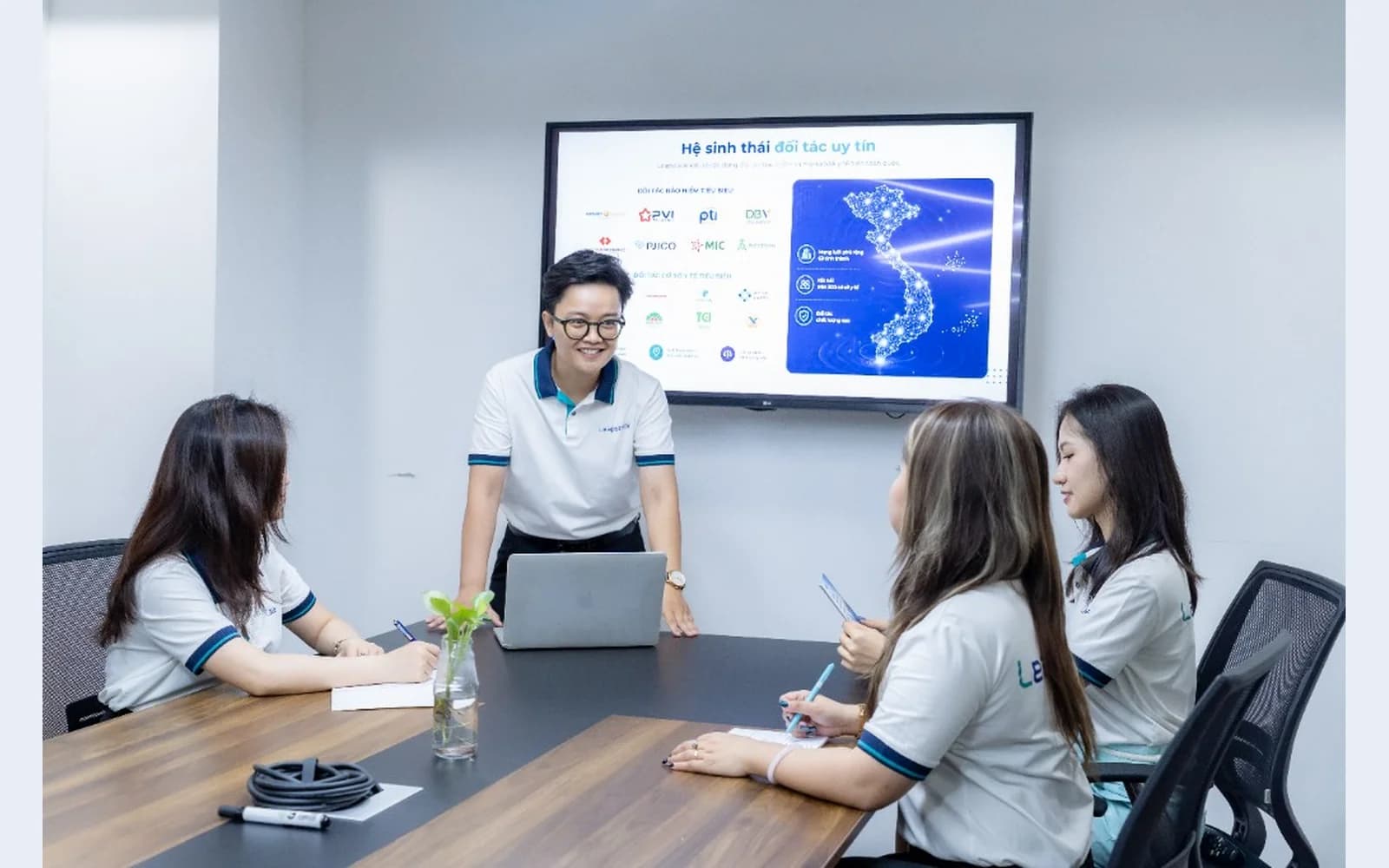
Leapstack started from claims-handling foundations and expanded into a corporate health benefits management partner — connecting insurance, claims, checkups, and wellness into a structured journey. Final payment decisions still belong to the insurer.
When do you need a TPA hub?
- HR is overloaded with post-sale questions and file tracking
- Incomplete files and repeated document requests are common
- You need a consistent cashless and claims experience for employees
- Leadership wants utilization data to improve renewals
How Leapstack helps
Leapstack partners from design and launch through operations and year-over-year improvement — with TPA capability as a core pillar.
See also: What is a health insurance TPA?, TPA operating capabilities, or the claims support page.
Leapstack is not an insurance company. Final payment decisions follow the policy and the insurer.
Sources
- Leapstack Overview / Company profile — §1–3 Overview, company challenges, and positioning
- Educational content only; Leapstack is not an insurance company
Continue with Leapstack
Talk to us about the right tpa program for your company.
Content is informational only. It does not replace professional insurance or medical advice. Final benefits and conditions follow the formal contract.
The TPA’s role as the operating hub in corporate health benefits
 Category: Claims support (TPA)
 Published: 06/08/2026
 Reading time: 2 min read
- Claims support (TPA)
- View all articles

Leapstack
Reviewed by: Leapstack
Related articles

 Claims support (TPA)
 06/08/2026
What are the steps in Leapstack’s TPA claims process?

- Claims support (TPA)
- 06/08/2026
What does TPA operational capability include?

- Claims support (TPA)
- 20/07/2026